This series began with a simple question: what is yin yoga, and what is it not? From there, we moved through the three pillars of the practice – stillness, time, and surrender – and into the energetic body, exploring meridian theory, the flow of chi, and the specific meridian pairs that yin yoga engages most directly.
We sat with the experience of depletion and asked how the practice supports recovery and renewal. We turned inward to mindfulness and to investigate the Buddhist roots of contemplative practice. We explored aligning the practice with the rhythms of the seasons. And we examined the science of why slowing down is so physiologically powerful.
Each of these is a lens through which yin yoga can be understood. And the complete practice can hold them all at once.
Integration, not accumulation
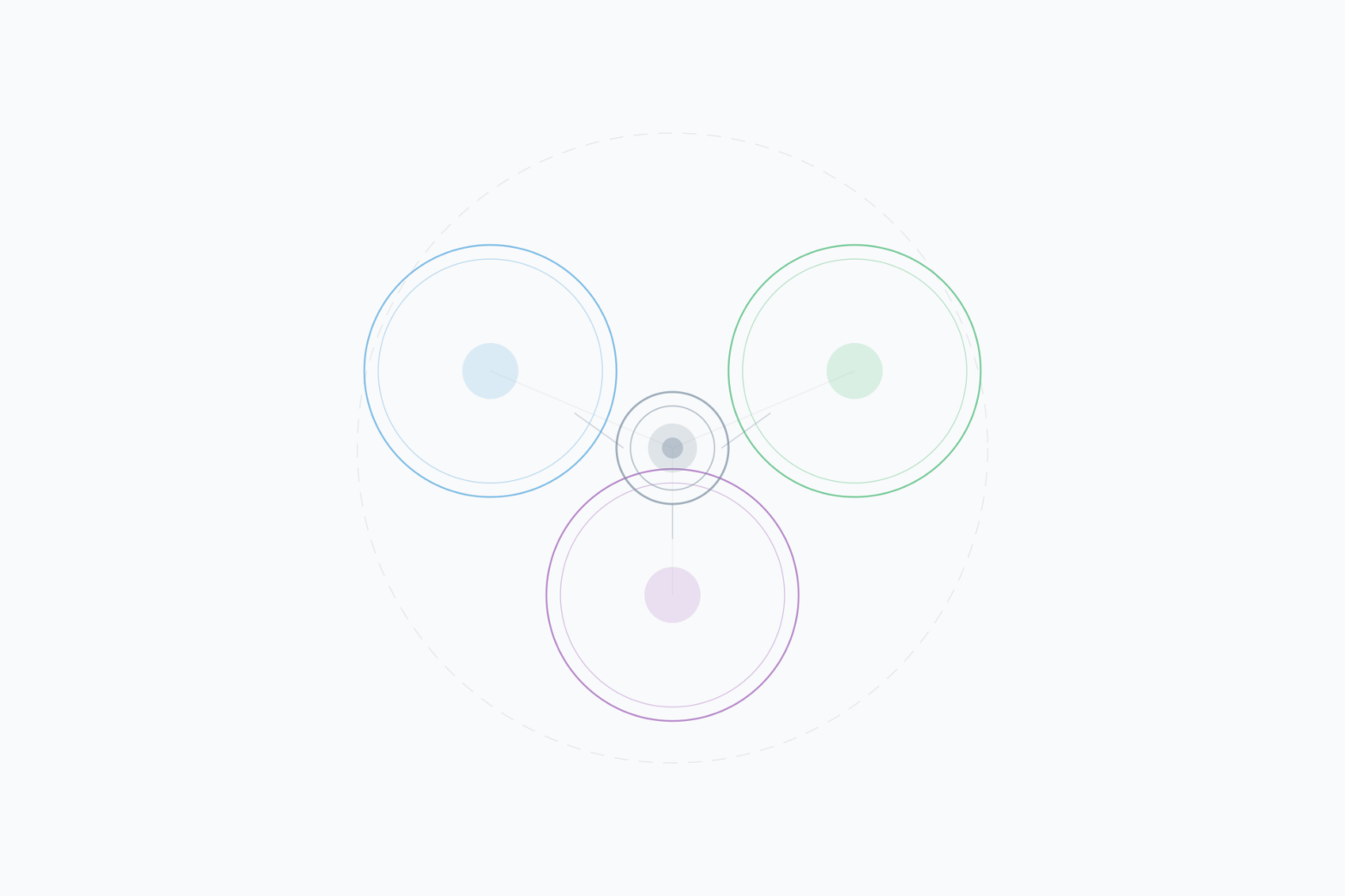
A complete yin practice is not a checklist of dimensions to be addressed in sequence (e.g. first the body, then the energy, then the emotions, then the mind). It is an integrated experience in which all of these dimensions are present simultaneously. Sarah Powers’ Insight Yoga framework describes this clearly – when we hold a posture with relaxed muscles and steady attention, we are simultaneously stressing the physical tissues, stimulating the meridian pathways, creating the conditions for emotional material to surface, training the mind’s capacity for non-reactive awareness, and cultivating qualities that extend into our relationships and our lives beyond the mat.
The practice does not move through these layers one at a time. It holds them within a single field of experience. The practitioner’s task is not to manage all of these dimensions consciously but to be present with enough honesty and attention that the practice can do its work at whatever level is ready to receive it. This is what distinguishes a truly integrated yin practice from one that remains at the surface – not greater effort or more sophisticated technique, but a quality of willingness. The willingness to stay, to notice, and to let the practice meet us where we actually are, rather than where we think we should be.
What a complete, integrated practice feels like
From my observations as well as in my personal experience, an integrated practice is not common and when present, rarely feels like the idealised version.
In some classes, the physical dimension is dominant – the body is tired or stiff, and the practice is primarily about meeting that reality with patience and appropriate care. In other classes, an emotion surfaces that takes over the entire experience – for example, grief in a forward fold, frustration in a hip opener, an unexpected tenderness that has no obvious cause, etc. On some days, the mind is clear and present from the first posture; other days, it is restless from start to finish, cycling through the hindrances we explored earlier in this series – craving, aversion, restlessness, dullness, doubt – without settling.
Integration does not mean that every dimension is engaged in every practice. It simply means that the practice is spacious enough to hold whatever presents itself, and that we are willing to meet it. The three inner actions explored earlier in this series – recognition, allowing, and letting go – are not a technique to be applied but a quality of attention that makes this meeting possible. We recognise what is present. We allow it to be present. We let go of the assumption that something else should be happening. This orientation does not require us to understand which meridian is being stimulated or which element of the seasonal cycle we are working with. It simply asks us to be here, fully and honestly, with whatever is arising. The layers of understanding we have explored across these twelve posts enrich the practice, but they do not replace this fundamental willingness.
There is a quiet confidence that develops over time in a practitioner who has learned to meet the full range of what the practice offers. This confidence is not the confidence of mastery or expertise, but the confidence of familiarity – the knowledge that we have been here before, that we have encountered intensity and restlessness and emotion and boredom, and that we have stayed. This confidence builds incrementally, posture by posture, class by class. And over time, this confidence carries over into the way we meet difficulty, uncertainty, and discomfort in our lives beyond the mat.
The practice continues
Yin yoga is not a problem to be solved or a curriculum to be completed. It is a practice, something we return to again and again. The practice meets each time where we are, and offers whatever we are ready to receive.
The twelve posts in this series have offered a set of lenses (physical, energetic, emotional, contemplative, seasonal, physiological) through which we can explore and understand yin yoga practice. The practice itself will continue to reveal what these lenses illuminate, in ways that no written series can fully anticipate. What matters is not that we understand all of these dimensions intellectually, but that we keep showing up, with patience, with honesty, and with the willingness to be changed by what we find.
If this series has deepened your understanding of yin yoga or opened a new dimension of inquiry, I invite you to continue exploring. The Blog page on calmspacejy.com will continue to publish, from time to time, resources on yin yoga, meridian theory, mindfulness, and the integration of these traditions. For those who wish to go deeper, the Shop page offers further materials including detailed guides and research articles. My future special classes and workshops at Hom Yoga will continue to explore the themes this series has introduced.
The practice will always be here, waiting for us to take our place on the mat.